
Introduction to Rabat
Rabat, the capital city of Morocco, stands as a significant political and administrative center in the nation. Located on the Atlantic Ocean, near the river Bou Regreg, Rabat offers both a strategic geographic position and a rich tapestry of history that has shaped its cultural landscape. This coastal city serves as a pivotal hub for governance, housing various governmental institutions and foreign embassies, thus plays a vital role in Morocco’s political landscape.
The history of Rabat dates back to the 12th century when it was originally founded as a military base under the Almohad dynasty. Throughout the centuries, the city has experienced various transitions in power and influence, contributing to its diverse cultural heritage. Historical landmarks, such as the Kasbah of the Udayas and the imposing Hassan Tower, provide glimpses into Rabat’s past, reflecting a blend of Arabic, Berber, and French colonial influences. The city encapsulates artifacts from various periods, showcasing its evolution as an essential part of Moroccan identity.
In addition to its historical significance, Rabat’s status as a UNESCO World Heritage site highlights its preservation efforts and the importance of maintaining its cultural legacy. The city is not only a center of governance but also an epicenter for education, art, and civilization in Morocco. Its vibrant culture is mirrored in the annual festivals and the lively atmosphere that encompasses traditional music, art exhibitions, and culinary events. With all these features combined, Rabat presents a unique experience for visitors and residents alike, embedding itself deeply in the fabric of Morocco’s national identity.
Historical Overview of Rabat
Rabat, the capital of Morocco, boasts a rich and multifaceted history that dates back to its founding in the 12th century. Established by the Almohad dynasty, the city initially served as a strategic military port. The Almohads sought to create a stronghold in the region, leading to the development of Rabat as a critical center of governance and culture in North Africa. During this period, the city thrived as an intellectual and artistic hub, attracting scholars and artisans, which significantly influenced its growth.
Throughout the centuries, Rabat played various roles shaped by the changing tides of history. During the 16th century, as the Portuguese and Spanish sought to expand their influence in the region, Rabat’s importance surged once more. It transformed into a vital maritime port that facilitated trade and cultural exchanges between Europe and Africa. This era also witnessed the construction of several significant landmarks, which further demonstrate the city’s architectural evolution, such as the Kasbah of the Udayas and the Hassan Tower, which remains a symbol of Rabat’s historical significance.
The 19th and early 20th centuries marked a period of political change as Morocco faced colonization pressures. The establishment of the French protectorate in 1912 profoundly impacted Rabat, leading to urban development influenced by European architectural styles while simultaneously preserving its cultural identity. The post-independence era, initiated in 1956, signified a resurgence of national pride and resulted in infrastructure expansion, including enhancements to Rabat’s airport. This seamless blend of the ancient and the modern continues to define Rabat, making it a city rich in history and cultural heritage.
Cultural Heritage of Rabat
Rabat, the capital city of Morocco, embodies a rich tapestry of cultural heritage, reflecting a multitude of architectural styles and traditions that have evolved over centuries. The city stands as a testament to its diverse history, characterized by a fusion of Berber, Arab, French, and Spanish influences. This amalgamation is evident in Rabat’s well-preserved monuments, historic neighborhoods, and contemporary art scene.
One of the most prominent architectural features in Rabat is the Royal Palace, known as the Dar al-Makhzen, which showcases a unique style that blends Islamic and Moorish design elements. In proximity lies the Kasbah of the Oudayas, a UNESCO World Heritage Site, where narrow blue and white-painted streets evoke a sense of tranquility. Here, visitors can appreciate traditional Moroccan craftsmanship through meticulously designed doorways, intricate tile work, and vibrant gardens. The Hassan Tower, an unfinished minaret of a mosque dating back to the 12th century, serves as another iconic symbol of Rabat’s Islamic heritage and architectural prowess.
Rabat is also known for its annual festivals and events that celebrate the city’s cultural mosaic. The Mawazine World Rhythms Festival, for instance, attracts thousands of visitors and showcases vibrant performances from international artists, highlighting both traditional Moroccan music and modern genres. Additionally, the city’s art galleries and cultural centers play a crucial role in promoting contemporary arts and crafts, offering insights into the evolving identity of Rabat as a hub of creativity.
The convergence of different cultures in Rabat fosters a dynamic environment that continually shapes its heritage. Comprising ornate exhibits of artistry, religious significance, and historical relevance, Rabat remains a key player in narrating Morocco’s ongoing story. The city’s cultural heritage stands as a reminder of the dialogue between its past and present, illustrating how this coastal city embraces its multilayered identity.
Famous Landmarks: The Hassan Tower
The Hassan Tower is one of the most iconic landmarks in Rabat, Morocco, representing a significant piece of the nation’s history and culture. Constructed in the 12th century during the reign of Sultan Yaqub al-Mansur, this stunning minaret was part of a grand mosque that was never completed. Originally intended to be the largest mosque in the world, its failure to materialize remains a poignant reminder of the region’s historical ambitions and complexities.
Architecturally, the Hassan Tower stands at an impressive height of 44 meters and showcases intricate designs that exemplify the artistry of Almohad architecture. The minaret is composed of red sandstone, embellished with geometric patterns and inscriptions that reflect the skilled craftsmanship of the era. Its unfinished structure, adorned with several pillars scattered around its base, provides a glimpse into the architectural vision that the sultan held for the mosque. This unfinished nature also adds to its allure, as it offers a sense of mystery and invites visitors to imagine what could have been.
The Hassan Tower holds considerable symbolic significance within Moroccan heritage, representing the resilience of the Moroccan people and their historical narrative. Its close proximity to the Mausoleum of Mohammed V further enhances its cultural importance. The mausoleum serves as a final resting place for the Moroccan king and his two sons, and it is renowned for its exquisite handcrafted details and tranquil aesthetic. Together, these landmarks create a compelling connection to Morocco’s past, enriching contemporary Rabat’s cultural landscape. The site attracts thousands of visitors who come to appreciate its historical roots and embrace its beauty, reminding us that the threads of history remain an integral part of the modern city’s identity.
The Development of Rabat’s Airport
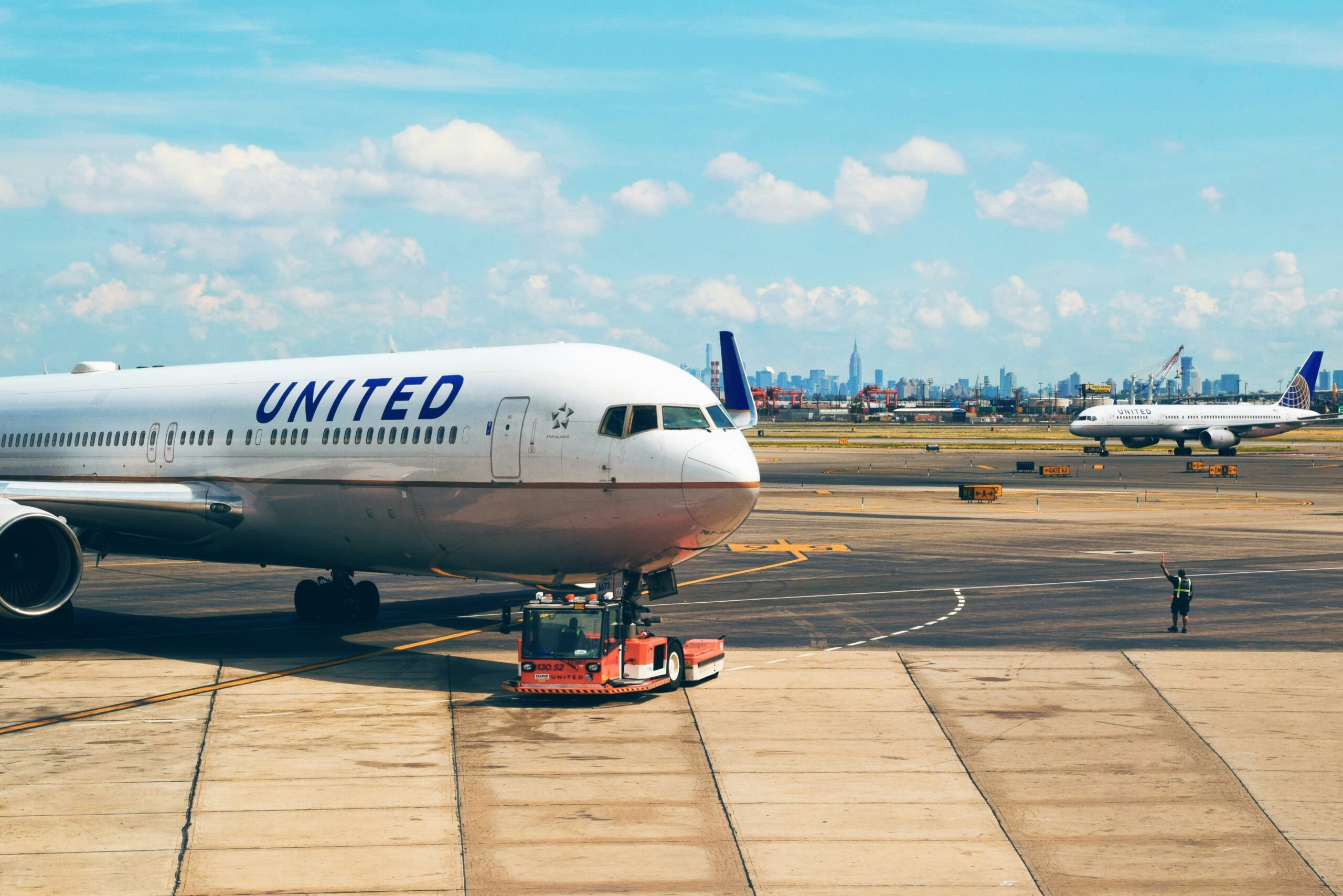
Rabat-Salé Airport, located approximately 10 kilometers from downtown Rabat, has evolved significantly since its inception. Established in 2011, the airport was designed to serve as a hub for both domestic and international flights, facilitating access to Morocco’s capital. Recognizing the strategic importance of Rabat as a political and cultural center, the Moroccan government invested in the infrastructure to enhance the airport’s capacity and functionality.
Initially, the airport operated with limited routes and facilities, catering mainly to domestic traffic. However, over the years, a series of expansion phases were initiated to accommodate the growing demand from passengers. Significant upgrades included the expansion of the terminal building, the enhancement of runway facilities, and the development of parking areas to support increased aircraft and passenger traffic. These improvements have played a vital role in positioning Rabat-Salé Airport as a key player in the North African aviation sector.
The airport’s connectivity has also improved, with routes established to major cities such as Casablanca, Marrakech, and Tangier, as well as international destinations in Europe, the Middle East, and beyond. This connectivity not only bolsters tourism, allowing visitors to explore Rabat’s historical sites and vibrant culture, but also supports business travel, which is crucial for the local economy. Moreover, the airport has become essential for expatriates and Moroccans living abroad, providing them with a direct link to their homeland.
Despite its progress, the development of Rabat-Salé Airport has faced challenges, including competition from other regional airports and the need to continually upgrade facilities to meet modern aviation standards. Recently, the focus has shifted toward enhancing passenger experience, with improved services and amenities, such as lounges and retail options. As Rabat-Salé Airport continues to evolve, it remains a critical component of the region’s transport network and a catalyst for economic growth.
Getting to and from Rabat-Salé Airport
Rabat-Salé Airport serves as a crucial gateway for travelers heading to the Moroccan capital and its neighboring areas. Facilitating seamless access to the city, the airport offers a range of transportation options catering to visitors’ diverse needs. Among these, public transportation is a popular choice. The airport is well-served by a local bus that connects to key locations in Rabat, including the city center. This affordable option is suitable for budget travelers who are looking to save on transportation costs while experiencing the local ambiance.
For those preferring a more direct approach, taxis are readily available at the airport. The taxi service operates under a fixed-rate system, which ensures transparency and avoids fare disputes. Travelers are advised to confirm the fare with the driver before departing to avoid unexpected charges. Additionally, it is important to choose authorized taxis, identifiable by their distinctive colors and markings, to guarantee safety and reliability.
Car rentals also offer a viable alternative for those seeking independence during their stay. Several well-known rental agencies operate within the airport premises, providing a selection of vehicles to suit various requirements. For travelers planning to explore beyond Rabat, renting a car may be a particularly advantageous option, as it allows for greater flexibility and the opportunity to visit nearby attractions, such as the coastal city of Salé or the ancient ruins of Chellah.
In terms of navigating the journey from Rabat-Salé Airport to the heart of the city, understanding the available transport options is key to ensuring a smooth and efficient travel experience. Whichever mode of transportation travelers choose, planning ahead is essential for a hassle-free arrival in Rabat.
Traveling to Rabat: Tips and Insights
When planning a trip to Rabat, the capital city of Morocco, it is essential to consider the best times to visit for an enjoyable experience. The optimal travel period typically spans from March to May and September to November when the weather is pleasantly mild, allowing visitors to explore the city’s rich history and vibrant culture without the extreme heat of summer. During these months, travelers can appreciate the outdoor attractions, gardens, and monuments that make Rabat unique.
Understanding local customs and etiquette is vital for fostering respectful interactions. Moroccans are known for their hospitality, and a simple greeting in Arabic or French can go a long way. Essential phrases to learn include “Salam” (hello) and “Choukran” (thank you) in Arabic, as well as “Bonjour” (good morning) in French. Respecting local customs, such as dressing modestly when visiting religious sites, enhances the cultural experience and fosters goodwill.
Rabat’s culinary scene is a delightful adventure in itself. Visitors should not miss sampling local dishes such as Tagine, Couscous, and Pastilla, often accompanied by mint tea, a staple in Moroccan culture. Dining in the local marketplaces, or souks, offers an authentic experience, where travelers can savor street foods and handmade delicacies. For those interested in shopping, the medina features numerous shops selling artisanal crafts, leather goods, and traditional Moroccan souvenirs.
Must-see attractions include the Hassan Tower, a historical minaret that stands sentinel over the city, and the picturesque Kasbah of the Oudaias, where visitors can wander through narrow streets filled with vibrant blue and white buildings. The Royal Palace and the Chellah, an ancient Roman necropolis, offer further dive into Rabat’s historic landscape.
By keeping these tips in mind, travelers can immerse themselves in the enchanting culture of Rabat, making their visit a memorable one.
The Future of Rabat and Its Airport
The future of Rabat is poised for significant transformation as the city and its airport undertake ambitious development projects aimed at modernizing infrastructure and enhancing services. As Morocco’s capital, Rabat has increasingly become a focal point for investment and growth, driven by the need to cater to a burgeoning population and the rising number of tourists visiting the region. The Moroccan government, alongside local authorities, aims to implement comprehensive urban planning strategies that integrate sustainable practices while boosting economic development.
One of the most notable initiatives is the ongoing enhancement of Rabat–Salé Airport. Plans are in place to expand the airport’s capacity and improve its facilities to accommodate more international flights and passengers. This expansion aligns with Rabat’s goal of promoting tourism and solidifying its position as an essential gateway to Morocco. The airport modernization project includes building new terminals and upgrading existing infrastructure, which will foster better connectivity between Rabat and major cities across the globe.
Additionally, Rabat is increasingly focusing on green initiatives as a part of its sustainable growth strategy. This entails the promotion of environmentally friendly practices, such as the use of renewable energy sources and eco-efficient designs in new projects. The city strives to reduce its carbon footprint while ensuring that urban development does not compromise its rich cultural heritage. Initiatives like improved public transportation systems aim to create a more sustainable urban environment, catering to both residents and tourists.
Tourism strategies are being revitalized to present Rabat as a vibrant cultural hub that showcases its historical significance and modern advancements. Collaborations with local businesses and stakeholders are crucial in developing cultural tours and experiences that highlight Rabat’s unique attributes. As the city embraces modernization, it remains committed to preserving its heritage while paving the way for a promising future.
Conclusion
In summarizing the historical journey of Rabat and its airport, we highlight the significant role that Rabat plays as the capital city of Morocco, rich with cultural landmarks that narrate its vibrant past. Rabat is not merely a hub of political activity but stands as a testament to Morocco’s diverse heritage, showcasing a fusion of Berber, Arab, and French influences. The historical significance of Rabat is encapsulated in its UNESCO World Heritage sites, which reflect the architectural beauty and historical narratives that have shaped the city over centuries.
The airport of Rabat, as a vital part of the country’s transportation infrastructure, also represents a bridge between the past and the present. Established to support the increasing air traffic while promoting tourism and business opportunities, the airport embodies Morocco’s modernization efforts while retaining its cultural essence. It has evolved to meet contemporary demands without overshadowing the historical context that surrounds it.
Preservation of Rabat’s cultural identity holds paramount importance as the city navigates the wave of globalization. Embracing modernization does not necessitate the abandonment of historical roots; rather, it should encourage the harmonious coexistence of the old and new. This perspective invites both locals and visitors to appreciate the city’s unique attributes that span from ancient fortifications to modern infrastructure.
As we reflect on Rabat’s journey, it becomes evident that the city’s rich history and contemporary relevance coalesce to create a unique environment that merits preservation and exploration. Encouraging an appreciation for Rabat not only enhances the understanding of its historical narrative but also fosters respect for cultural diversity in an increasingly interconnected world. In conclusion, Rabat remains a city worthy of admiration, maintaining its identity while embracing the progression of modernity.