
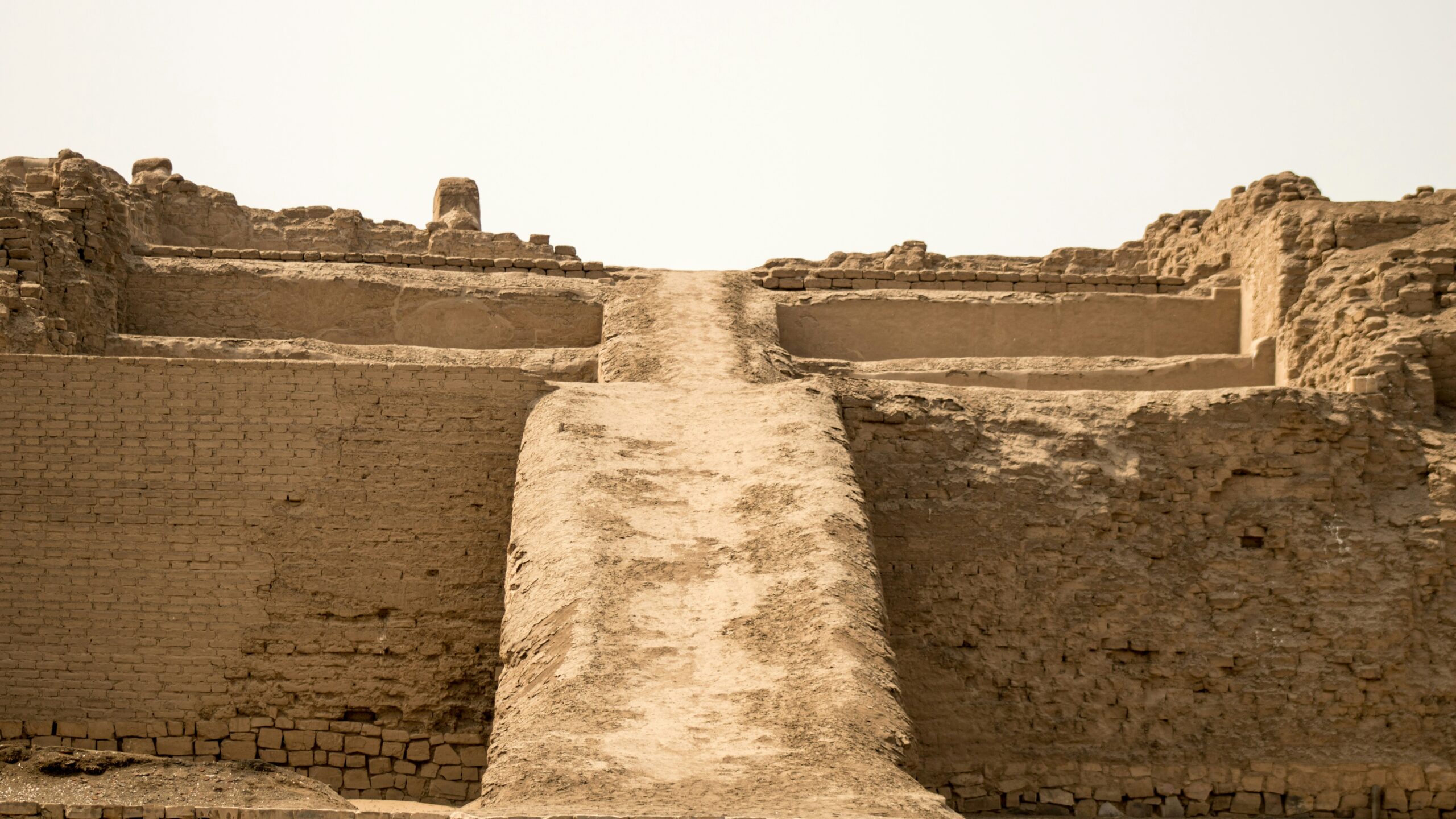
Introduction to Rabat’s Cultural Heritage
Rabat, the capital of Morocco, stands as a prominent cultural hub that embodies the rich heritage of the nation. The city is not only the political center but also a significant repository of historical monuments, each narrating stories from various eras of Moroccan history. The blend of architectural styles seen throughout Rabat reflects the diverse influences that have shaped the city, including Arab, Berber, and French elements. This cultural melting pot makes Rabat an essential destination for those interested in understanding Morocco’s past and its evolution into the modern age.
Among the most notable monuments in Rabat are the Hassan Tower, an iconic symbol of the city, and the mausoleum of Mohammed V, which showcases exquisite Moroccan craftsmanship. These sites, among others, play crucial roles in representing the collective memory of the country and its people. Cultural tours in Rabat offer invaluable opportunities for visitors to explore these monuments, allowing them to witness firsthand the architectural beauty and historical significance imbued in the city’s landscape. Additionally, participating in such tours facilitates a deeper appreciation of the traditions and customs that continue to thrive in Moroccan society today.
Furthermore, engaging with Rabat’s cultural heritage through guided tours enhances the educational experience, empowering visitors with a nuanced understanding of the city’s historical context and current cultural dynamics. Tour options range from walking tours that traverse the alleys of the medina to specialized heritage-focused excursions, making it easier for tourists to find an experience tailored to their interests. Rabat’s monumental treasures not only contribute to its status as a UNESCO World Heritage Site but also serve as a vital link to Morocco’s enduring legacy, making the city a quintessential part of any cultural tour in the region.
The Royal Palace: A Symbol of Power
The Royal Palace of Rabat, known as the Dar al-Makhzen, stands as a significant landmark in Morocco’s capital, embodying the nation’s rich history and architectural splendor. This palace, which serves as the official residence of the King of Morocco, showcases a striking blend of traditional Moroccan and Andalusian influences, characteristic of the region’s diverse cultural heritage. Its grand facade, adorned with intricate tile work and magnificent arches, exemplifies the artistry that defines Moroccan architecture.
Surrounding the palace are beautifully landscaped gardens, providing a tranquil atmosphere that complements the grandeur of the structure. These gardens are meticulously maintained, featuring fountains, palm trees, and vibrant flower beds, allowing visitors to appreciate the harmony between nature and architecture. Although the palace is primarily a ceremonial site and not open to public tours, its majestic exterior remains accessible for admiration from the outside, drawing tourists and locals alike.
The Royal Palace plays a central role in the administration of the Moroccan monarchy, serving as the site of important state functions and meetings. Its historical significance extends beyond its architecture; it symbolizes the strength and continuity of the Moroccan monarchy through centuries. Visitors to Rabat who are keen on exploring the cultural dimensions of the city will undoubtedly find the palace to be a highlight of their itinerary.
For those planning a visit, the best times to view the palace are during the early morning or late afternoon when the light enhances its architectural features and provides ideal conditions for photography. While access to the interior is restricted, the impressive external features and the surrounding gardens offer an insight into the grandeur and significance of this royal residence.
Hassan Tower: A Historic Landmark
Hassan Tower, an architectural marvel located in Rabat, stands as a testament to the city’s rich history and cultural significance. Constructed in the late 12th century under the reign of Sultan Yacoub al-Mansour, the tower was intended to be the minaret of a grand mosque. Although the mosque was never fully completed due to the Sultan’s death, Hassan Tower remains an iconic symbol of Rabat today. The original plan was ambitious, as the mosque was meant to surpass all others in size, illustrating the grandeur of Islamic architecture during the Almohad dynasty.
The tower reaches a height of around 44 meters and is constructed using striking red sandstone, adorned with intricate geometric patterns and verses from the Quran. Its unique architecture showcases the influence of both Islamic design and local craftsmanship, making it an exceptional representation of Rabat’s historical depth. Visitors are often captivated by its distinct blend of simplicity and elegance, which reflects the artistic styles of the 12th century.
Adjacent to Hassan Tower lies the Mausoleum of Mohammed V, enhancing the importance of the site. This mausoleum honors the Moroccan king Mohammed V and his sons, blending modern and traditional architectural styles. A visit to both the tower and the mausoleum can be easily incorporated into a single tour, allowing travelers to appreciate the historical narratives interlinked with these monumental structures.
For photography enthusiasts, early morning or late afternoon light provides the best conditions for capturing the beauty of Hassan Tower. Framing the tower with the mausoleum in the foreground can create breathtaking images, while the surrounding gardens offer additional scenic perspectives. As an essential stop on any cultural tour of Rabat, Hassan Tower invites exploration into the city’s historical fabric.
The Kasbah of the Udayas: A Picturesque Fortress
The Kasbah of the Udayas stands as a striking emblem of Rabat’s rich history and cultural identity. This ancient fortress, located at the mouth of the Bou Regreg River, boasts picturesque streets adorned with charming blue and white buildings, creating a captivating contrast against the backdrop of the Atlantic Ocean. As visitors wander through the narrow alleyways, they are offered a glimpse into traditional Moroccan life, where time appears to stand still amidst the vibrant walls and decorative doorways.
Historically, the Kasbah of the Udayas served as a defensive fortress and a royal residence. It was established in the 12th century by the Almohads and has since witnessed a myriad of historical events that shaped Rabat. Today, the Kasbah houses a variety of cultural elements, from artisanal shops selling handcrafted goods to the serene Andalusian gardens that provide a tranquil escape from the bustling city. These gardens not only showcase lush vegetation but also highlight the integration of nature into Moroccan architecture, reflecting the importance of gardens in traditional Moroccan culture.
Visitors looking for a peaceful retreat within the Kasbah will find the charming cafés lining the walls, where they can enjoy traditional mint tea while taking in breathtaking views of the river and ocean. One recommendation is Café Maure, a popular spot that offers a perfect vantage point for those wanting to capture the panoramic scenery. Additionally, the Kasbah’s lookout points serve as prime locations for photography, particularly at sunset when the golden hues illuminate the blue facade of the buildings, creating a magical atmosphere. The Kasbah of the Udayas is more than just a monument; it is a gateway to understanding the historical tapestry of Rabat and the enduring essence of Moroccan heritage.
Chellah: A Blend of Roman and Islamic History
Nestled on the outskirts of Rabat lies Chellah, an archaeological site that serves as a remarkable testament to the confluence of Roman and Islamic heritage. Originally established as a Roman city in the 3rd century BC, Chellah later transformed into an Islamic necropolis during the medieval period. This unique juxtaposition of cultures makes Chellah a must-visit location for anyone interested in the rich tapestry of Morocco’s history.
Visitors to Chellah can explore extensive ruins that showcase the architectural styles and influences of both civilizations. The remnants of the Roman structures, such as temples and walls, stand in striking contrast to the later Islamic additions, including a mosque and numerous tombs. This blend of cultures is accentuated by the peaceful gardens that envelop the ruins, which provide a serene backdrop for reflection and exploration. The gardens are not just a feast for the eyes; they also feature a variety of local flora and fauna, contributing to the site’s tranquil ambiance.
Guided tours are available, offering insight into the historical significance of the site and the stories embedded within its walls. These tours often delve into the daily lives of the Romans and the subsequent Islamic community that thrived in this area. It is advisable to wear comfortable shoes as the terrain can be uneven, and visitors may wish to allocate a few hours to fully appreciate all aspects of this fascinating site.
The best time to visit Chellah is during the cooler months, from October to April, when the weather is more conducive to outdoor exploration. Additionally, early mornings or late afternoons provide the perfect lighting for photography, allowing you to capture the beauty of this historic site. Whether you are a history enthusiast or simply seeking to experience Morocco’s diverse cultural heritage, Chellah offers an enriching experience that should not be missed.
Rabat Archaeological Museum: Unveiling the Past
The Rabat Archaeological Museum, renowned for its extensive collection, serves as an excellent starting point for anyone interested in Morocco’s rich and diverse history. Established in 1932, the museum houses artifacts that span from prehistoric times through to the Islamic period, providing an insightful look into the evolution of this fascinating land. Visitors will find themselves immersed in relics, sculptures, and pottery that not only highlight Morocco’s cultural heritage but also its connections to ancient civilizations such as the Phoenicians and Romans.
Among the key exhibits, the museum features an impressive array of prehistoric tools, which underline the region’s early human settlements. The Roman and Islamic artifacts offer a glimpse into the lives of those who shaped Morocco’s historical landscape. Noteworthy pieces include intricate mosaics and beautifully crafted ceramics that have been preserved for generations. The narratives behind these artifacts provide a deeper understanding of the social, political, and economic factors that influenced Morocco over the millennia.
To enhance your visit to the Rabat Archaeological Museum, it is advisable to plan your day to include nearby historical sites such as the Hasan Tower and the Mausoleum of Mohammed V. A combined visit allows for a more comprehensive understanding of the historical timeline that the artifacts represent. Guided tours often provide additional context and anecdotes that enrich the overall experience. Engaging with the knowledgeable museum staff can also lead to discovering lesser-known treasures and fascinating stories behind the exhibits.
The Andalusian Gardens: A Hidden Oasis
Situated within the heart of Rabat, the Andalusian Gardens present a tranquil oasis that captivates visitors with its serene atmosphere and exquisite landscape. Originally designed during the era of the Almohad caliphate, these gardens embody the enchanting aesthetics characteristic of Andalusian architectural styles. As you stroll through the lush pathways, the carefully curated flora and water features provide a refreshing escape from the urban environment.
The layout of the gardens is a harmonious blend of artistry and nature, where vibrant flowers, palm trees, and fountains are meticulously arranged to create pathways that invite leisurely exploration. The aesthetic appeal of the gardens is enhanced by the historical significance that they hold, symbolizing the cultural exchanges that have taken place throughout Morocco’s history. The serene ambiance is further enriched by the subtle scent of citrus trees and jasmine, making it an ideal spot for introspection or relaxation.
Visitors seeking a moment of peace away from the bustling streets of Rabat often find joy in these gardens. In the early morning or late afternoon, when the sunlight casts gentle shadows across the pathways, the gardens come alive with the sounds of birds chirping and the rustling of leaves. This makes it a perfect time to unwind, reflect, or even capture some beautiful photographs. Additionally, art enthusiasts visiting the gardens can engage with local craftspeople who often showcase their talents nearby, offering insight into traditional Moroccan craftsmanship. Investing time in the Andalusian Gardens is an enriching experience that leaves a lasting impression, reconnecting visitors to both nature and history.
The Museum of Contemporary Art: Where History Meets Modernity
The Museum of Contemporary Art in Rabat serves as a pivotal institution, blending the rich historical tapestry of Moroccan culture with the dynamic expressions of modern artistry. Opened to the public in [year], the museum has quickly established itself as a premier destination for both local and international art enthusiasts. It is dedicated to featuring the works of Moroccan and global artists, providing a platform that emphasizes the dialogue between tradition and contemporary practices.
The architectural design of the museum is a notable feature in itself, embodying a sleek, modern aesthetic that complements the evolving nature of contemporary art. The structure seamlessly integrates into its surroundings, using a combination of geometric lines and open spaces that allow natural light to enhance the viewing experience. This thoughtful design not only invites visitors to engage with the artworks presented but also serves as a testament to Rabat’s commitment to fostering a vibrant cultural scene.
The museum’s exhibition schedule features a rotating collection of both temporary and permanent exhibits, showcasing a variety of mediums including painting, sculpture, and multimedia installations. Visitors can explore a diverse range of themes and concepts, often reflecting social issues and cultural narratives that resonate within the Moroccan context and beyond. In addition to visual art, the museum hosts workshops, lectures, and various artistic programs that encourage interaction between artists and the community.
For those planning a visit, it is beneficial to check the museum’s official website for details on upcoming events, special exhibitions, and educational programs. This comprehensive engagement with contemporary art not only enriches the cultural landscape of Rabat but also enables visitors to gain a deeper understanding of the evolving nature of artistic expression in a globalized world.
Conclusion: Your Cultural Tour Itinerary
In organizing a cultural tour of Rabat, it is essential to consider visiting the numerous monuments that encapsulate the city’s rich history and heritage. From the iconic Hassan Tower, which symbolizes the ambition of a grand mosque construction, to the beautiful Oudayas Kasbah, a serene oasis that showcases Rabat’s coastal charm, each site offers a unique insight into the cultural tapestry of this capital city. The Chellah Necropolis, with its mesmerizing mix of Roman ruins and Islamic heritage, further exemplifies the city’s layered past, inviting visitors to reflect on the historical narratives it holds.
As you plan your personalized itinerary, consider the significance of these monuments not just as tourist attractions but as vital educators about Rabat’s cultural evolution. Experiencing each site in their specific contexts enables a deeper appreciation of the local art, architecture, and traditions that continue to thrive. Every step taken through the winding alleyways and scenic viewpoints provides an invaluable opportunity to connect with the heart of Rabat.
For a more structured approach, engaging guided tours, such as those offered by www.casablanca-tours.com, can enhance your experience. These tours not only provide expert insights into each monument but also include logistical planning, freeing you to immerse yourself fully in the essence of Rabat. In addition to the city’s rich monuments, be sure to explore local cuisine and artisan shops to experience the vibrant culture firsthand.
By combining landmark visits with local experiences, your cultural tour of Rabat promises to be both educational and memorable. Emphasizing personal interests and exploring various aspects of the city will undoubtedly enrich your understanding of Rabat’s unique cultural landscape.