
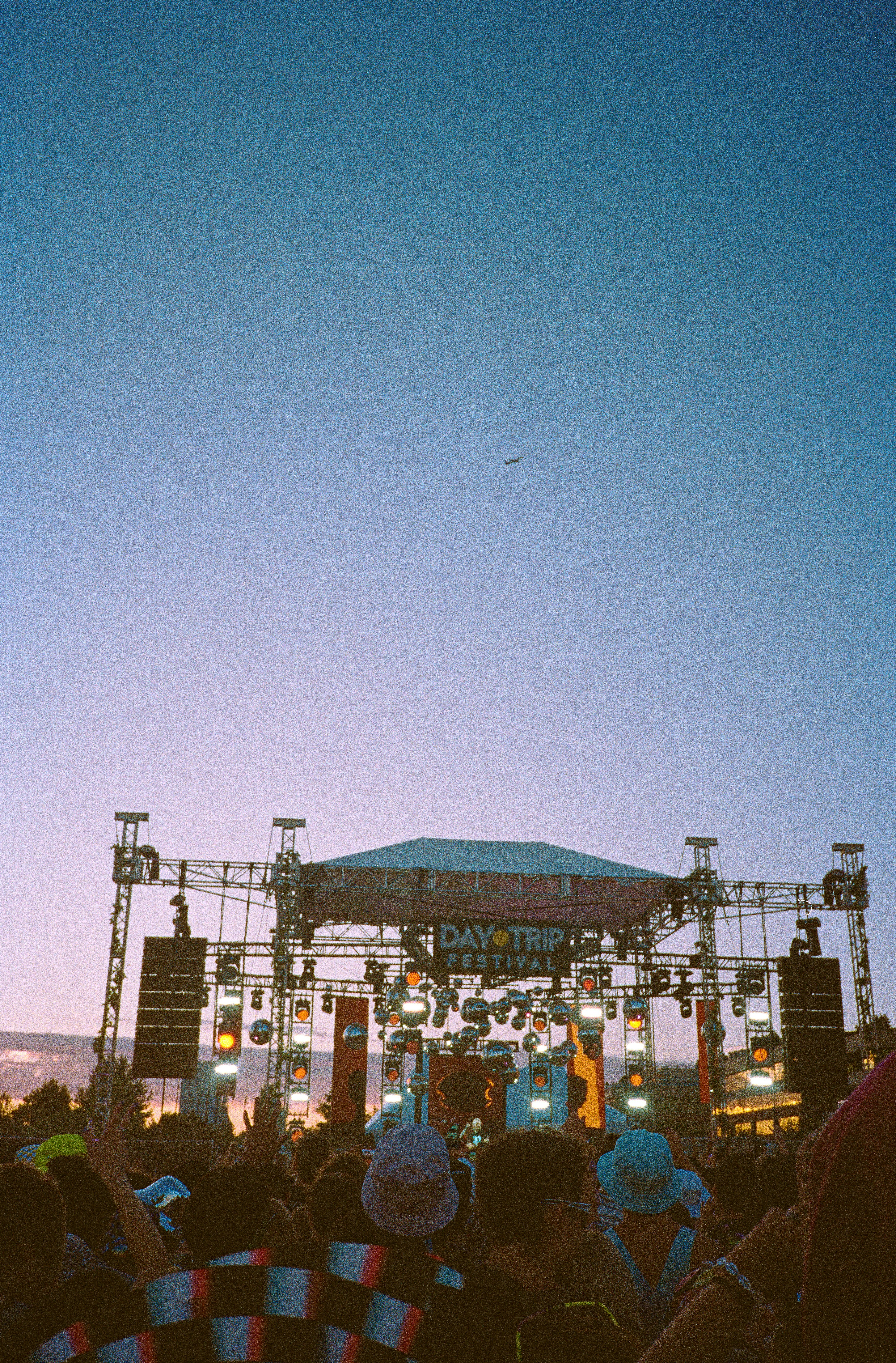
Introduction to the Mawazine Festival
The Rabat Mawazine Festival, officially known as Mawazine: Rhythms of the World, represents a premier cultural event in Morocco, recognized as one of the largest music festivals in the country. Established in 2001, the festival has evolved over the years, becoming a significant platform not only for Moroccan artists but also for international musicians from various genres. It serves as a celebration of music and cultural diversity, embracing the rich tapestry of artistic expression found across the globe.
Held annually in Rabat, the capital city of Morocco, the Mawazine Festival integrates a variety of music genres, including pop, jazz, rock, hip hop, and traditional Moroccan music. The event attracts a diverse audience comprising local music enthusiasts, international visitors, and renowned music artists, fostering a vibrant atmosphere that encourages cultural exchange. By inviting artists from different backgrounds, the festival reflects its mission to promote harmonious interaction and appreciation of diverse musical traditions.
The festival venue is strategically located, with performances taking place in numerous sites across Rabat, including prestigious open-air stages. These locations not only enhance the festival’s accessibility but also create an inviting environment for attendees to immerse themselves in the musical experience. In addition to its role as a music celebration, the Mawazine Festival emphasizes the importance of cultural dialogue, enabling local communities to engage with global arts. Through various workshops, exhibitions, and collaborations with international artists, it seeks to elevate the cultural profile of Morocco on the world stage.
Overall, the Mawazine Festival stands as a testament to Morocco’s commitment to cultural diversification and artistic innovation, making it a focal point for music lovers locally and globally. It captures the essence of collective joy through music, ultimately reinforcing social bonds among participants and celebrating the richness of human creativity.
The Origins of Mawazine
The Mawazine Festival, formally known as Mawazine: Rhythms of the World, was established in 2001 in Rabat, Morocco, with the vision to promote cultural exchange and celebrate global music. It was founded by Aziz Pahlavi, a significant figure in the Moroccan cultural sphere, who envisioned a festival that would not only highlight the diverse musical heritage of Morocco but also incorporate international artists, thereby fostering a dialogue between cultures. The inaugural event was aimed at capturing the attention of music enthusiasts while spotlighting the rich artistic talent within Morocco.
From its very first edition, Mawazine encompassed a broad range of musical genres, from traditional Moroccan music to contemporary international performances. This inclusive approach not only attracted local audiences but also drew international visitors, turning the festival into a crucial meeting point for different cultures. The lineup of artists, which has grown over the years, ranges from world-renowned stars to emerging local musicians, thereby providing a platform for Moroccan artists to gain visibility.
Today, Mawazine stands as one of the largest cultural events in the world, drawing millions of attendees each year. Its success is a testament to the vision behind it: to foster appreciation and understanding through the powerful medium of music, which transcends barriers and connects individuals from different backgrounds.
Location and Dates of the Festival
The Rabat Mawazine Festival takes place in the vibrant capital city of Morocco, Rabat. This location is not only significant due to its historical and cultural heritage but also because it serves as a prominent center for art and music in the region. Nestled along the banks of the Bou Regreg river and adjacent to the Atlantic Ocean, Rabat offers a unique backdrop for the festival, blending the serenity of nature with the rich sounds of diverse musical genres. It is a city where ancient traditions meet contemporary expression, creating a perfect atmosphere for a celebration of this magnitude.
Traditionally, the Mawazine Festival is held in May, attracting both local and international artists and audiences to partake in this grand event. The timing of the festival coincides with the spring season, when Rabat bursts into life with blooming flowers and pleasant weather, adding to the vibrant ambiance. Held over several days, the festival showcases an array of performances on stages centrally located throughout the city, from the well-known OLM Souissi to the more intimate settings found in various neighborhoods.
The festival’s annual schedule not only emphasizes the diversity of music genres but also the communal spirit of Rabat during this time. Local residents engage actively with festival attendees through various cultural activities, creating an inviting environment. As the city becomes a hub for music lovers, the streets resonate with melodies from around the world, supported by an enthusiastic audience. This gathering of artists and audiences alike celebrates both Moroccan culture and the universal language of music, truly reflecting the essence of the Rabat Mawazine Festival.
Genres and Types of Music Featured
The Rabat Mawazine Festival is renowned for its diverse lineup that showcases a broad spectrum of music genres, thereby catering to varied musical tastes. One of the festival’s defining features is its celebration of traditional Moroccan music, which is deeply rooted in the country’s rich cultural heritage. Genres such as Amazigh, Andalusian, and Chaabi are prominently featured, offering attendees an authentic glimpse into Morocco’s musical history. Local artists often take center stage, showcasing their talents and allowing festival-goers to appreciate the unique sounds that symbolize Moroccan identity.
In addition to traditional offerings, the festival embraces a wide array of international music styles, such as pop, rock, and jazz. This inclusive approach attracts global superstars, providing a platform where they can perform for enthusiastic audiences. The festival’s commitment to featuring both local and international artists enriches the experience for attendees, creating a dynamic cultural exchange. From well-established musicians to emerging talents, the lineup presents an exciting mix that embodies the universal language of music.
The presence of various genres not only reflects the eclectic tastes of the audience but also promotes cultural diversity. Jazz performances, featuring local and international musicians, echo the festival’s dedication to creativity and innovation. Moreover, the pop acts showcased at Mawazine often include headliners from around the world, appealing to younger demographics while also drawing in seasoned fans of the genre. This strategic curation of talent, ranging from traditional to contemporary styles, ensures that the Rabat Mawazine Festival remains a premier cultural event that resonates with both locals and international visitors alike.
Notable Artists Who Have Performed
The Rabat Mawazine Festival has garnered international acclaim, not only for its cultural significance but also for attracting some of the most prominent artists from across the globe. This celebration of music has seen performances by diverse musicians, ranging from pop and rock to traditional Moroccan music. The festival serves as a confluence of different musical genres, showcasing both international icons and local talents.
One of the highlights in recent years was the appearance of the legendary American singer-songwriter Whitney Houston, whose powerful vocals and emotive performances left a lasting impression on the audience. Her show at the festival attracted thousands, reinforcing the event’s reputation as a premier venue for global music artistry. Similarly, the renowned Spanish flamenco singer, Paco de Lucía, mesmerized attendees with his virtuoso guitar playing, blending traditional sounds with contemporary influences.
Renowned Moroccan artists such as Samira Said are also instrumental in enhancing the festival’s profile. Her rich vocal style and ability to bridge modernity with Moroccan heritage have made her a favorite in Rabat. Other notable Moroccan musicians, like Oum and Saad Lamjarred, have expanded the festival’s demographic appeal, bringing together a multi-generational audience that appreciates a blend of traditional and modern Moroccan sounds.
Additionally, the festival has welcomed global acts such as the American hip-hop group The Black Eyed Peas, who brought an energetic performance that resonated deeply with the youth present. These artists, through their performances, have not only enriched the Festival but have also fostered a spirit of multicultural dialogue that is vital to its mission. The diverse lineup of artists at the Rabat Mawazine Festival truly exemplifies the celebration of music and culture, offering a platform for remarkable talents from all corners of the world.
Cultural Significance of the Festival
The Mawazine Festival, held annually in Rabat, Morocco, stands as a pivotal event not only within the nation but also across the broader Arab world. It celebrates the rich tapestry of musical heritage and serves as a significant cultural hub. This festival embodies the essence of cultural exchange, providing a unique platform where diverse artistic expressions converge. Artists from various genres and backgrounds showcase their talents, thereby fostering mutual appreciation among different cultural groups.
One of the most crucial aspects of the Mawazine Festival is its role in promoting cultural understanding. By inviting internationally renowned artists alongside local musicians, the festival facilitates a dialogue between cultures. Such interactions are essential in an increasingly globalized world, as they encourage collaboration and mutual respect. The event attracts visitors and participants from various regions, promoting a sense of solidarity among attendees, regardless of their origins.
Additionally, the festival highlights Morocco’s commitment to cultural diversity and inclusivity. By presenting a variety of musical styles, including traditional Moroccan music, pop, jazz, and world music, Mawazine enriches the cultural landscape of the region. This diversity allows younger generations to connect with their heritage while also engaging with contemporary global trends. The educational aspect of the festival cannot be understated; workshops, panel discussions, and interactive performances provide attendees with insights into the significance of different musical traditions.
The Mawazine Festival ultimately enhances Morocco’s image on the international stage, showcasing its cultural vibrancy and hospitality. As a result, the festival not only enriches local culture but also informs and educates a global audience about the values inherent within Moroccan society. In this light, the Mawazine Festival transcends its role as simply a musical event; it becomes a powerful emblem of cultural diplomacy and unity within the diverse fabric of the Arab world.
Impact on Local Economy and Tourism
The Rabat Mawazine Festival has emerged as a pivotal event in the cultural calendar of Morocco, significantly influencing the local economy and tourism landscape. As one of the largest music festivals in the world, it attracts thousands of visitors from both domestic and international locales. This influx of tourists not only brings in substantial revenue but also promotes Rabat as a prime cultural destination. The festival creates a favorable environment for local businesses, particularly in the hospitality sector, where hotels and restaurants experience increased patronage. Beyond accommodation and dining, local artisans and craftspeople often showcase their products during the festival, thereby amplifying their visibility and market reach.
The economic ripple effects extend beyond immediate sales as well. As visitors engage with the local culture, they may explore various attractions, from historical sites to local markets, contributing to the broader tourism ecosystem in Rabat. Furthermore, the festival encourages the development of related infrastructure, such as improved transportation links and enhanced public spaces, which can have lasting benefits for the community and its visitors. It positions Rabat as a vibrant city that harmoniously blends traditional culture with modern entertainment.
<pmoreover, a=”” also=”” an=”” and=”” artistic=”” as=”” boosts=”” but=”” by=”” celebrates=”” community.=”” conclusion,=”” contribution=”” crucial=”” cultural=”” culture=”” destination.
The Future of Mawazine Festival
The Mawazine Festival, a prominent cultural event held annually in Rabat, has firmly established itself as a key player in the international music scene. As we look toward the future, there are several factors that will shape the festival’s trajectory, including potential developments, challenges, and growth opportunities. One primary consideration is the festival’s adaptability to evolving music trends and the integration of emerging artists.
The music industry is undergoing rapid transformations, with genres proliferating and new styles gaining popularity. The Mawazine Festival has the potential to leverage these trends by incorporating diverse musical acts and genres. This expansion would not only appeal to a broader audience but also support emerging artists from various backgrounds. Such inclusivity could create a unique cultural exchange, enhancing the festival’s international presence.
In addition to embracing new musical trends, the festival faces specific challenges that must be addressed to ensure its continued success. Economic fluctuations may impact sponsorship and funding opportunities, necessitating a sustainable financial model. Incorporating local and international partnerships can enhance resilience against economic downturns while promoting cultural tourism in Rabat.
Another challenge is the potential impact of changing audience preferences, particularly among younger demographics. Engaging with these audiences through social media and innovative marketing strategies can foster a stronger connection. Moreover, incorporating technology into the festival experience, such as virtual reality or live streaming, can broaden the festival’s reach and inclusivity.
In conclusion, the Mawazine Festival is poised for a promising future, contingent upon its ability to adapt to changing music trends and address inherent challenges. By embracing opportunities for growth, the festival can advance its mission of celebrating both local culture and international music, ensuring its relevance in the years to come.
Conclusion
The Rabat Mawazine Festival stands as a significant cultural and musical event that brings together a diverse array of artists and audiences from around the globe. Each year, it showcases an impressive line-up of both local and international talents, fostering a rich tapestry of musical styles that transcends geographical boundaries. The festival has proven to be more than just a series of concerts; rather, it serves as a vital platform for cultural exchange, drawing spectators from a multitude of backgrounds into a shared experience of rhythm and melody.
In addition to celebrating music, the Mawazine Festival emphasizes the importance of unity and inclusivity in our increasingly interconnected world. It encourages participants to engage with various cultural expressions and highlights the universal language of music, which can bridge cultural divides and promote mutual understanding. This dimension of the festival underscores its role in cultural diplomacy, serving as an ambassador of Moroccan heritage while simultaneously welcoming global influences.
Moreover, the festival has significantly contributed to the Moroccan cultural landscape, attracting tourism and stimulating local economies. It highlights the creative talents of artists while also providing them with a platform to showcase their music to larger audiences. The inclusive atmosphere nurtured at the event allows attendees to appreciate not only the performances but also the underlying messages of solidarity and peace embedded within the art forms presented. Thus, the Rabat Mawazine Festival exemplifies how cultural celebrations can unite people, remind us of our shared humanity, and reinforce the importance of diversity in fostering social cohesion.